
When you’re out on the water, staying connected is vital for safety and peace of mind. If you’re venturing more than 2 nautical miles (nm) from shore on open waters, in NSW, carrying a marine radio is a requirement.
Why I always carry a Marine Radio
Even within 2nm I recommend having a Marine Radio at all times: (1) if you need help you can contact other boats, ie, those nearest you. (2) My mobile phone hates being on the water, the moisture affects its performance – I can’t rely on it. (3) I can receive weather warnings and updates early via radio. (4) Radios are inexpensive, why not ensure you are in contact all the time.
Here’s what you need to know about marine radios and how to use them effectively and why Marine Radios are your lifeline at sea.
Why Marine Radios Are Your Lifelife at Sea
Marine radios are more than just communication tools; they’re your lifeline at sea. They can be used to:
- Make distress calls to nearby vessels or shore stations in emergencies
- Advise shore stations of your plans and itinerary
- Access weather updates and navigational warnings
Types of Marine Radios
There are three main types of marine radios:
- Very High Frequency (VHF): Reliable and widely monitored, VHF is recommended over 27 MHz for its longer range and reliability.
- High Frequency (HF): Designed for long-range communication, HF radios are ideal for open waters and areas beyond the line of sight to land.
- 27 MHz: A basic option with line-of-sight communication, but less reliable and less widely used than VHF (and probably being phased out soon).
DSC Alerts
These days we have the Digital Selective Calling button option. I highly recommend purchasing a radio with this function
Why Choose a Radio with DSC Functionality?
Digital Selective Calling (DSC) is a game-changer for marine radios, offering enhanced safety and communication features. Here are five reasons to consider buying a radio with DSC:
- Automated Distress Alerts: With DSC, you can send an automated distress signal that includes your vessel’s GPS location to nearby vessels and shore stations at the push of a button (you must have your GPS interfaced with the unit).
- Faster Response Times: DSC ensures your distress call is immediately recognised, increasing the chances of a quick response in an emergency (when interfaced).
- Enhanced Communication: DSC allows for direct calling to specific vessels or shore stations, bypassing open channels and improving clarity and privacy.
- Integration with GPS: DSC radios integrate with GPS systems, ensuring accurate location data is sent with every distress call.
- Compliance and Monitoring: DSC radios are widely monitored by commercial vessels and rescue services, ensuring your calls are heard by the right people.

To use a VHF or HF radio, at least one person onboard must hold a radio operator’s certificate. We offer the best value Marine Radio Courses, with combined 40 years of maritime training and 50 on the high seas – we have real time experience of VHF an HF radios worldwide: Click here for details of our Marine Radio Courses.
Top 5 Tips for Using Your Marine Radio
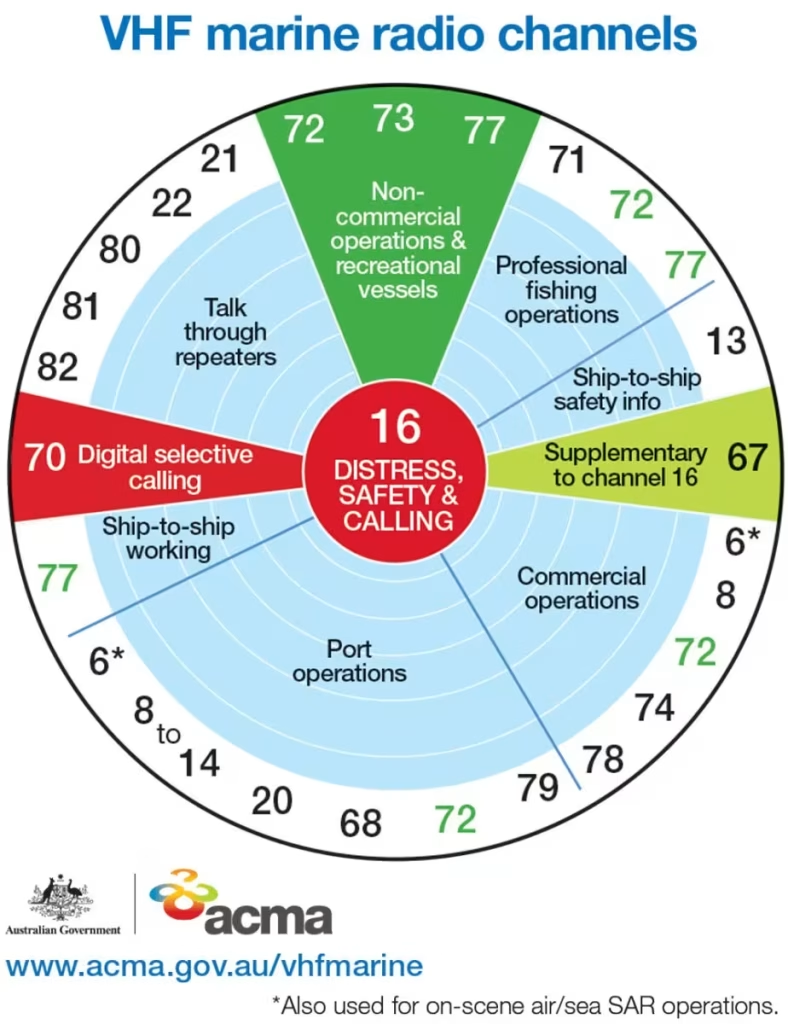
- Know Your Channels: Familiarise yourself with the VHF channels, including Channel 16, the emergency and distress frequency. Keep this channel free for emergencies as much as you can.
- Use Correct Protocols: Always follow standard radio protocols. Start with the name of the vessel or station you’re calling, followed by your vessel’s name and your message. Practice clear and concise communication. (I remind myself to speak ‘low and slow’ fas deeper voices carry better/can be heard better).
- Keep It Waterproof: Marine radios should be kept dry and functional. For additional safety, store your handheld radio in a waterproof case.
- Monitor Regularly: Even if you’re not actively using the radio, keep it turned on and monitor Channel 16 for emergency updates or distress calls.
- Don’t Rely on Mobile Phones: While mobile phones can be useful in life-threatening situations (dial Triple Zero (000) if you have reception), they’re no substitute for a marine radio. Always carry both for added safety, and keep your phone in a waterproof cover.
MMSI Number
Click here for more details on what an MMSI number is, why you need it and how to get it! Also, here’s how to get your Marine Radio Licence in the easiest way, less fuss, less cost with most experienced trainers!
About MMSI
MMSI application form
Stay Safe and Stay Connected
Whether you’re a recreational boater or an experienced sailor, having a marine radio and knowing how to use it is essential for safety on the water. Make it a habit to check your equipment before every trip and practice using your radio to ensure you’re prepared for any situation.
For more information on marine radios and operator certificates click here.